Your dog scarfs down her food, then twenty minutes later she’s hunched over the yard with loose stool again. You’ve tried three different bags of kibble. Nothing sticks.
Here’s what most dog parents never get told at the vet’s office. Skin issues, bad breath, weight problems, even anxious behavior often trace straight back to an unbalanced gut. The trillions of bacteria living in your dog’s intestines control way more than digestion.
A microbiome friendly meal plan feeds the good bacteria your dog already has while starving out the bad ones. No fancy supplements required, just smart food choices and a little patience.
By the end of this guide, you’ll know exactly what to put in the bowl, how to introduce it safely, and how to keep your dog’s gut running smoothly for years.
What You’ll Need
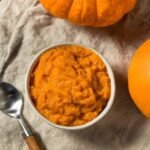
- Plain cooked pumpkin (100% pumpkin puree, not pie filling)
- Plain unsweetened kefir or goat milk (a probiotic powerhouse)
- Lean cooked protein (chicken breast, turkey, or white fish)
- Cooked sweet potato
- Fermented vegetables (a small amount of plain sauerkraut, no salt or spices added)
- Bone broth (unsalted, no onion or garlic)
- Green tripe (fresh or freeze dried, if your dog can tolerate the smell)
- Ground flaxseed or chia seeds (a prebiotic fiber source)
- Oats (plain, cooked, unsweetened)
- Blueberries (fresh or frozen, thawed)
- A quality canine probiotic supplement (look for multiple bacterial strains and guaranteed CFU counts)
- Digestive enzyme powder (optional, helpful for senior dogs)
Required Tools & Utensils
- A digital kitchen scale for accurate portions
- Measuring cups and spoons
- A large mixing bowl
- A slow cooker or stockpot for bone broth
- Silicone ice cube trays for freezing broth or kefir into small treats
- Airtight glass storage containers
- A blender or food processor for pureeing vegetables
- A meal prep log or notebook to track how your dog responds
Step-by-Step Instructions
Step 1: Start with a clean baseline. Feed your dog’s current diet for three days while you track stool quality, energy, and appetite. This gives you something to compare against.
Step 2: Cook the protein. Boil or bake your lean protein with no seasoning. Shred it once cooled.
Step 3: Prepare the carbohydrate base. Cook sweet potato and oats separately until soft, then mash them lightly.
Step 4: Add the prebiotic fiber. Mix in one teaspoon of ground flaxseed per 20 pounds of body weight.
Step 5: Fold in the probiotic elements. Add a spoonful of plain kefir or a small amount of sauerkraut juice (not the cabbage itself at first) directly onto the meal.
Step 6: Introduce pumpkin for regulation. Stir in one to two tablespoons of pumpkin puree depending on your dog’s size.
Step 7: Pour bone broth over the top. This boosts palatability and adds gut-soothing collagen.
Step 8: Portion and serve. Split the mixture into daily meals based on your dog’s weight, feeding twice a day at consistent times.
Step 9: Track and adjust. Watch stool consistency for the next seven to ten days and adjust fiber or probiotic amounts as needed.
Pro Tips from the Experts
Feed probiotics away from any medication. Antibiotics and probiotics given at the same time cancel each other out, so space them at least two hours apart.
Rotate your protein sources every few weeks. A gut microbiome thrives on variety, and switching between chicken, turkey, and fish exposes it to different amino acid profiles.
Watch the fiber math closely. Too much flaxseed or pumpkin at once causes gas and loose stool, so build up slowly rather than dumping a full dose in day one.
Keep a symptom journal for the first month. Noting energy levels, coat shine, and stool quality daily helps you spot patterns a busy schedule would otherwise miss.
Ask your vet about a fecal microbiome test if your dog has chronic digestive issues. This gives you actual data on bacterial diversity instead of guessing.
Substitutions & Alternatives
| Original Ingredient | Budget Swap | Small Dog Portion | Large Dog Portion |
|---|---|---|---|
| Green tripe | Canned sardines in water | 1 teaspoon | 1 tablespoon |
| Goat milk kefir | Plain unsweetened yogurt | 1 teaspoon | 2 tablespoons |
| Sweet potato | Cooked white potato (no skin) | 1 tablespoon | 3 tablespoons |
| Bone broth | Low sodium chicken broth (homemade) | 2 tablespoons | 1/4 cup |
| Blueberries | Cooked apple slices, no seeds | 2 to 3 pieces | 5 to 6 pieces |
Dogs with poultry sensitivities can swap chicken for rabbit or venison. Dogs on a tight budget can lean on eggs as an affordable protein and prebiotic combination, since the shell membrane itself supports gut lining health.
Safety, Prep & Transition Guide
Never switch your dog’s entire diet overnight. A fast change shocks the gut and often causes the exact digestive upset you’re trying to fix.
Follow a seven day transition. Mix 25% new food with 75% old food for two days, then move to a 50/50 split for two days, then 75% new to 25% old for two days, then a full switch on day seven.
Watch closely for warning signs during transition. Vomiting, blood in stool, extreme lethargy, or refusal to eat for more than 24 hours means you stop and call your veterinarian.
Introduce only one new ingredient at a time. If you add pumpkin, kefir, and tripe all in the same week and your dog reacts, you won’t know which one caused the problem.
Always check with your vet before starting any new plan if your dog has a diagnosed condition like pancreatitis, kidney disease, or inflammatory bowel disease. Fat content and fiber levels need individual adjustment for these dogs.
Storage & Shelf Life
Homemade bone broth stays fresh in the fridge for four days and freezes well for up to three months in ice cube trays.
Cooked protein and vegetable mixtures last three to four days refrigerated in airtight containers. Freeze extra portions flat in freezer bags for easy stacking and faster thawing.
Kefir and yogurt should be used within the manufacturer’s printed date and kept below 40 degrees Fahrenheit at all times.
Probiotic supplements are sensitive to heat and light. Store them in a cool, dark cabinet, never above the stove or near a sunny window, and check the label for refrigeration requirements since some strains need cold storage to stay alive.
FAQ
How long does it take to see results from a gut healing diet?
Most dogs show firmer stool within seven to fourteen days. Coat and skin improvements typically take four to six weeks since hair growth cycles are slower than digestion.
Can I feed a microbiome friendly diet alongside kibble?
Yes. Many dog parents top their dog’s regular kibble with kefir, pumpkin, or bone broth rather than switching to a fully homemade plan, and this still delivers real probiotic and prebiotic benefits.
What foods should I avoid completely?
Skip onion, garlic, grapes, raisins, xylitol, and any dairy beyond small amounts of plain kefir or yogurt. Also avoid heavily processed treats loaded with artificial preservatives, since these disrupt bacterial balance.
Is a raw diet better for the microbiome than cooked food?
Research is still mixed here. Some dogs thrive on raw diets, others develop bacterial imbalances or food safety issues, so the right answer depends on your dog’s individual health history and your vet’s guidance.
Wrapping Up
A healthy gut changes everything about how your dog looks, moves, and feels day to day. Small, consistent changes to the bowl beat any quick fix or trendy supplement every time.
Start slow, track the changes, and let your dog’s body tell you what’s working. Your veterinarian remains your best partner for anything beyond general wellness support.
Have you tried adding probiotics or bone broth to your dog’s meals? Drop a comment below and tell us what worked, or what your dog refused to touch.