Your dog is scratching again. You watch her chew at her paw for the tenth time tonight and your stomach drops a little.
You’ve swapped foods three times this year. Nothing sticks. The vet bills are piling up and the itching never really stops, just quiets down for a week before it roars back.
Here’s the thing nobody tells you at the pet store. Most commercial “sensitive skin” formulas still hide chicken meal, beef fat, or dairy byproducts in the ingredient list. Your dog’s body is fighting a war you can’t even see on the label.
Duck and sweet potato changes that equation completely. It’s one of the few proteins most dogs have never eaten before, which means their immune system has nothing to react to. Let’s build a meal that actually gives their skin a fighting chance.
What You’ll Need
- 2 lbs boneless duck breast or thigh (skin removed, visible fat trimmed)
- 2 large sweet potatoes (about 1.5 lbs total)
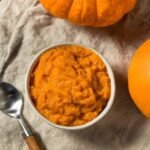
- 1 cup pumpkin puree (plain, no sugar or spices added)
- 1/2 cup green peas (fresh or frozen, thawed)
- 2 tablespoons duck fat or olive oil
- 1 teaspoon ground eggshell powder (or 1/2 teaspoon calcium carbonate powder)
- 1 tablespoon fish oil (salmon or sardine based)
- 1/4 cup fresh parsley (finely chopped, aids fresh breath and adds antioxidants)
- Filtered water (as needed for texture)
Optional add-ins for extra nutrition:
- 1 tablespoon ground flaxseed
- A pinch of turmeric for its anti-inflammatory properties
Required Tools & Utensils
- Large stockpot or Dutch oven
- Sharp chef’s knife and cutting board
- Digital kitchen scale (accuracy matters for portion control)
- Food processor or potato masher
- Silicone ice cube trays or meal prep containers
- Meat thermometer
- Mixing bowls
- Airtight storage containers
Step-by-Step Instructions
Step 1: Prep the duck.
Trim all visible fat and skin off the duck. Cut it into 1-inch cubes so it cooks evenly and quickly.
Step 2: Cook the duck thoroughly.
Place the duck cubes in your stockpot and cover with water. Bring to a boil, then reduce to a simmer for 20 to 25 minutes. Use your meat thermometer to confirm it hits 165°F internally.
Step 3: Boil the sweet potatoes.
While the duck simmers, peel and chop your sweet potatoes into chunks. Boil them separately for 15 to 20 minutes until fork-tender.
Step 4: Mash or process the sweet potatoes.
Drain the sweet potatoes and mash them until smooth. A food processor works faster if you’re making a large batch.
Step 5: Shred or chop the cooked duck.
Once cooled slightly, shred the duck with two forks or chop it into small, dog-appropriate bite sizes.
Step 6: Combine everything.
In a large mixing bowl, combine the shredded duck, mashed sweet potato, pumpkin puree, peas, duck fat, eggshell powder, fish oil, and parsley. Mix until fully incorporated.
Step 7: Cool completely.
Spread the mixture on a baking sheet and let it cool to room temperature before portioning. Never refrigerate or freeze warm food.
Step 8: Portion and store.
Divide into meal-sized portions based on your dog’s weight (see the table below) and store in airtight containers or ice cube trays for smaller dogs.
Portion Guide by Dog Weight
| Dog Weight | Daily Amount | Meals Per Day |
|---|---|---|
| 10-20 lbs | 3/4 to 1 cup | 2 |
| 21-40 lbs | 1.5 to 2 cups | 2 |
| 41-60 lbs | 2.5 to 3 cups | 2 |
| 61-90 lbs | 3.5 to 4.5 cups | 2 |
Pro Tips from the Experts
Skip the store-bought duck fat substitutes. Rendering your own fat from the trimmings gives your dog cleaner omega fatty acids without preservatives.
Never season with onion, garlic, or salt. These are toxic to dogs even in small amounts, and duck has enough natural flavor on its own.
Rotate your protein source every 8 to 12 weeks. Even novel proteins like duck can eventually trigger sensitivities if fed exclusively for too long. Keep venison or rabbit in your back pocket as a backup rotation protein.
Freeze in flat bags, not blocks. Flat freezer bags thaw in half the time compared to solid containers, which saves you from scrambling at dinnertime.
Add a probiotic supplement separately. Gut health and skin health are deeply connected, and a quality probiotic can speed up how fast you see improvement.
Substitutions & Alternatives
For small dogs under 15 lbs: Reduce the recipe by half and cut the duck into smaller, pea-sized pieces to prevent choking.
For budget-conscious households: Turkey breast is a more affordable substitute, though it’s not truly novel for dogs who’ve eaten poultry before.
For dogs with pumpkin sensitivities: Swap in mashed carrots or steamed zucchini for similar fiber content.
Seasonal swap: Butternut squash works beautifully in place of sweet potato during fall and winter months when it’s cheaper and more widely available.
For active or working dogs: Add an extra tablespoon of duck fat to increase caloric density without changing the protein base.
Safety, Prep & Transition Guide
Never switch your dog’s food overnight. A sudden change can trigger vomiting, diarrhea, or a flare-up that looks like an allergic reaction but is really just digestive shock.
Follow this 7-day transition schedule:
| Days | Old Food | New Duck Meal |
|---|---|---|
| 1-2 | 75% | 25% |
| 3-4 | 50% | 50% |
| 5-6 | 25% | 75% |
| 7+ | 0% | 100% |
Watch for soft stool during the first three days. This is normal in small amounts. Persistent diarrhea, vomiting, or lethargy means you should pause and call your vet.
Always cook duck fully. Raw or undercooked poultry carries salmonella risk for both your dog and your household.
If your dog has a known poultry allergy, duck is not automatically safe. Some dogs cross-react to all bird proteins. Introduce a small test portion first and watch for 48 hours before committing to full meals.
Storage & Shelf Life
Refrigerator: Store in an airtight container for up to 4 days.
Freezer: Portions stay fresh for up to 3 months in a sealed freezer bag with the air pressed out.
Thawing: Move portions to the fridge the night before feeding. Never thaw on the counter at room temperature, as bacteria multiply quickly in cooked meat.
Signs it’s gone bad: A sour smell, slimy texture, or any discoloration means it’s time to toss the batch. When in doubt, throw it out.
Frequently Asked Questions
Is duck actually hypoallergenic for dogs?
Duck is considered a novel protein for most dogs because it’s rarely used in mainstream commercial kibble. This means fewer dogs have built up an immune reaction to it, which is why vets often recommend it for elimination diets.
Can I feed this as a complete diet long-term?
This recipe works well as a base meal, but for long-term feeding you’ll want to add a vet-approved vitamin and mineral supplement to ensure complete nutritional balance, especially calcium and phosphorus ratios.
How long until I see improvement in my dog’s skin?
Most owners report noticeable changes in itching and coat quality within 4 to 8 weeks. Skin cell turnover takes time, so patience matters more than speed here.
Can puppies eat this duck and sweet potato meal?
Puppies have higher caloric and calcium needs than adult dogs. Consult your vet before feeding this as a primary diet for a growing puppy, and expect to adjust portions upward significantly.
Wrapping Up
Your dog doesn’t need a miracle cure. She needs food that stops fighting her body every single day.
This duck and sweet potato meal gives her immune system a break it’s probably never had. Give it the full transition window and watch what happens to that constant scratching.
Have you tried a novel protein diet for your dog’s allergies? Drop a comment below and tell us what protein worked for your pup. Your story might be exactly what another worried dog parent needs to read tonight.