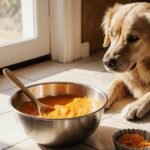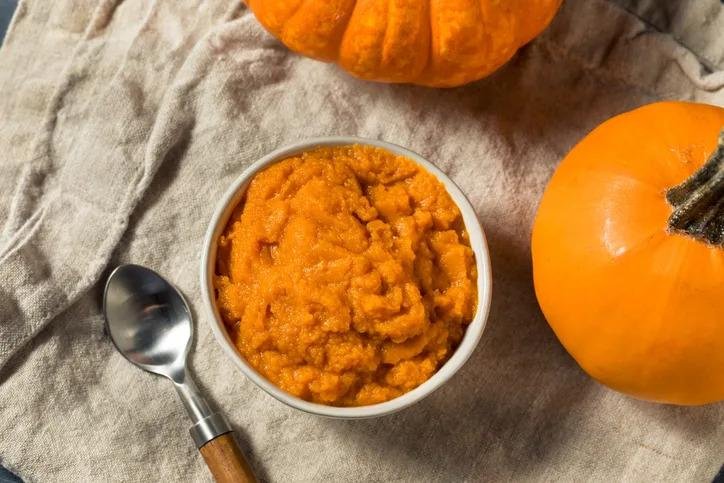
When your dog has an upset stomach and diarrhea, it is natural to want to help them feel better quickly. One of the most popular and vet-recommended home remedies is plain pumpkin puree. This guide explains why it works, how to give it safely, and when to see a vet instead.
Why Pumpkin Helps with Diarrhea
Pumpkin is widely recommended by veterinarians as a natural way to soothe digestive upset . It works because of its unique fiber content.
Pumpkin contains both soluble and insoluble fiber . Soluble fiber is the most useful for diarrhea because it absorbs excess water in the digestive tract. This helps firm up loose stools and slows down overly rapid transit through the gut . At the same time, insoluble fiber adds bulk, which helps normalize intestinal movement .
Pumpkin is also gentle on a sensitive stomach because it is low in fat and easy to digest . The added fiber can soothe an irritated gut lining and even act as a prebiotic, feeding the good bacteria in your dog’s gut .
Beyond fiber, pumpkin provides vitamins A, C, and E, as well as potassium, which support overall health .
How Much Pumpkin to Give Your Dog
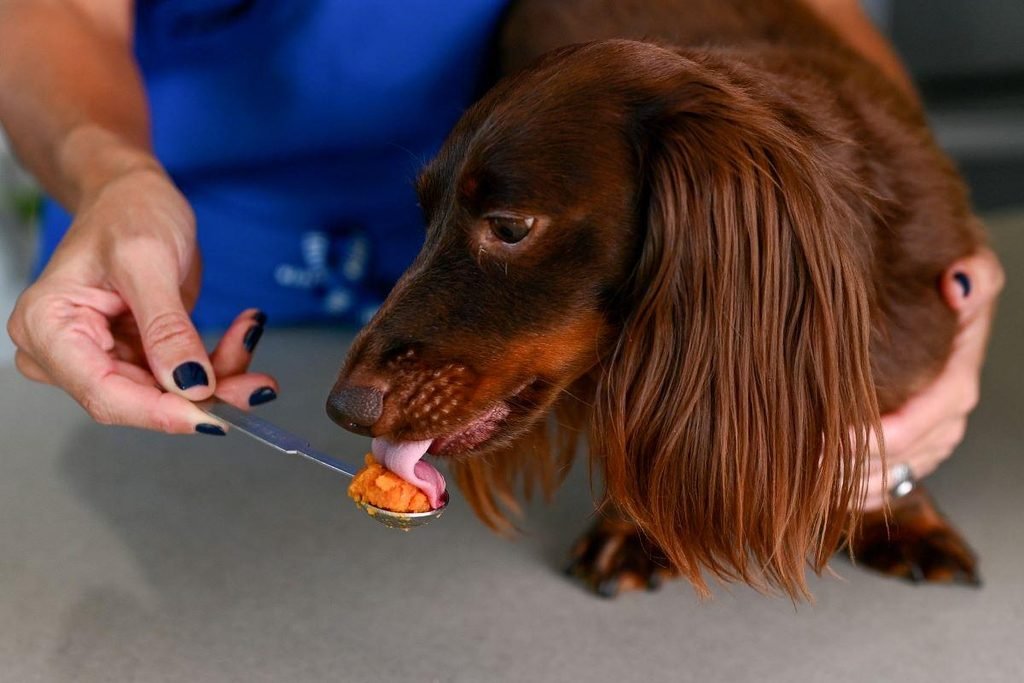
Getting the dosage right is important. The general guideline is about 1 tablespoon of plain canned pumpkin per 10 pounds of body weight, once or twice daily .
Here is a more detailed guide based on your dog’s size:
| Dog Size | Serving Size per Feeding |
|---|---|
| Small dogs (under 15 lbs) | 1 to 3 teaspoons |
| Medium dogs (15-30 lbs) | 1 to 2 tablespoons |
| Large dogs (30-60 lbs) | 2 to 4 tablespoons |
| Giant breeds (over 60 lbs) | Up to 1/4 cup |
Important tips for dosing:
- Start small. Begin with the lower end of the range once a day and observe your dog’s stool for 24-48 hours .
- Increase only if needed. If there is no improvement, you can increase to twice daily .
- Stop if stools become too soft. Too much pumpkin can actually cause loose stools .
- No improvement after 48-72 hours? Contact your veterinarian .
The Critical Safety Rule
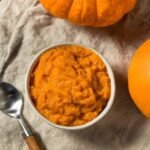
Only use plain, 100% pure pumpkin puree.
Never use pumpkin pie filling or any product that contains added sugar, spices (like nutmeg or allspice), or artificial sweeteners like xylitol. These ingredients are harmful or even toxic to dogs .
Always check the label. Canned pumpkin should have only one ingredient: pumpkin.
You can use either canned pumpkin puree or a veterinary-formulated pumpkin powder supplement. Both are effective, but powders often have a longer shelf life and precise dosing instructions .
When to See a Vet Instead
Pumpkin is only for mild, recent-onset diarrhea in an otherwise healthy, active dog . It is helpful when diarrhea follows a diet change, too many treats, or a stressful event like travel .
Seek immediate veterinary care if you see any of these warning signs:
- Blood in the stool or vomit
- Persistent or forceful vomiting
- Lethargy, weakness, or fever
- Signs of dehydration (dry gums, sunken eyes)
- Diarrhea lasting more than 48 hours
- Your dog is a very young puppy or has a chronic health condition
How to Serve Pumpkin
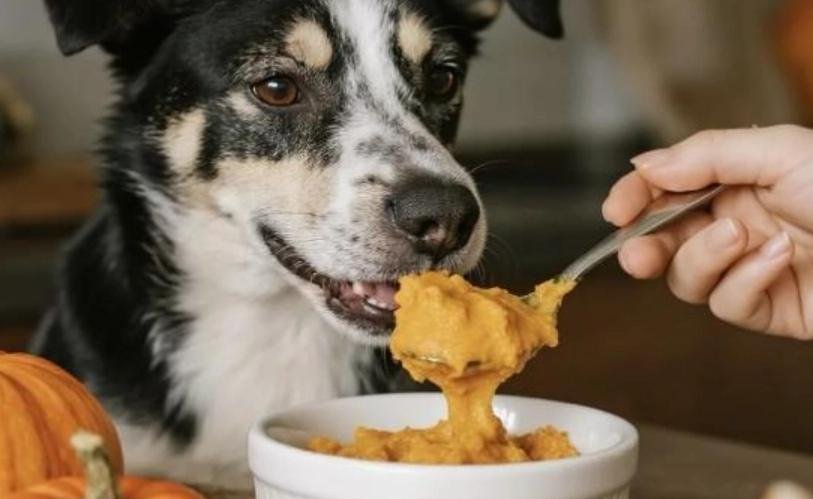
You can give pumpkin in several ways:
- Mix it directly into your dog’s regular food
- Serve it on a spoon as a treat
- Spread it on a lick mat for a calming, engaging activity
- Combine it with a bland diet of boiled chicken and white rice for extra gentleness
A Soothing Recipe
For a dog with a sensitive tummy, try this simple mash:
Pumpkin Chicken Mash (not a complete meal, but great for settling upset stomachs) :
- 1 small skinless chicken breast
- 400g pumpkin or butternut squash, peeled and diced
- 1 small celery stick, finely chopped
Cook the chicken and pumpkin separately until tender. Drain the pumpkin, mash it, and shred the chicken. Mix together and serve slightly warm.
Final Thoughts
Pumpkin puree is a safe, effective home remedy for mild diarrhea in dogs. Its soluble fiber helps firm stools naturally while supporting gut health. Always use plain, 100% pure pumpkin, start with a small dose, and watch your dog closely. If symptoms do not improve within 48 hours or if any warning signs appear, contact your veterinarian immediately.