Pumpkin is one of those foods that seems to be everywhere during fall, from pies to lattes to soups. And if you are a dog parent, you have probably wondered if you can share this seasonal favorite with your four-legged friend. The answer is yes, pumpkin is safe and healthy for dogs, but there are important rules to follow. This guide explains everything you need to know about feeding pumpkin to your dog safely.
Yes, Pumpkin Is Safe for Dogs
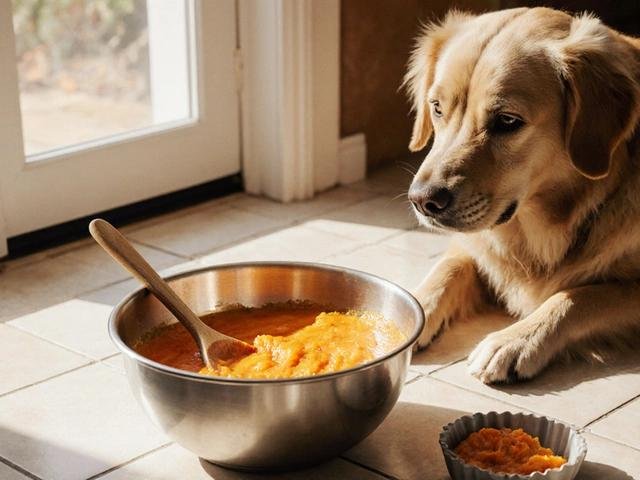
Plain, cooked pumpkin is completely safe and non-toxic for dogs to eat in small amounts . In fact, many veterinarians recommend pumpkin as a natural way to support digestive health . It is packed with beneficial nutrients and can be a tasty, low-calorie treat for your furry friend.
The key words here are plain and cooked. Pumpkin must be prepared properly before it goes anywhere near your dog’s bowl.
Health Benefits of Pumpkin for Dogs
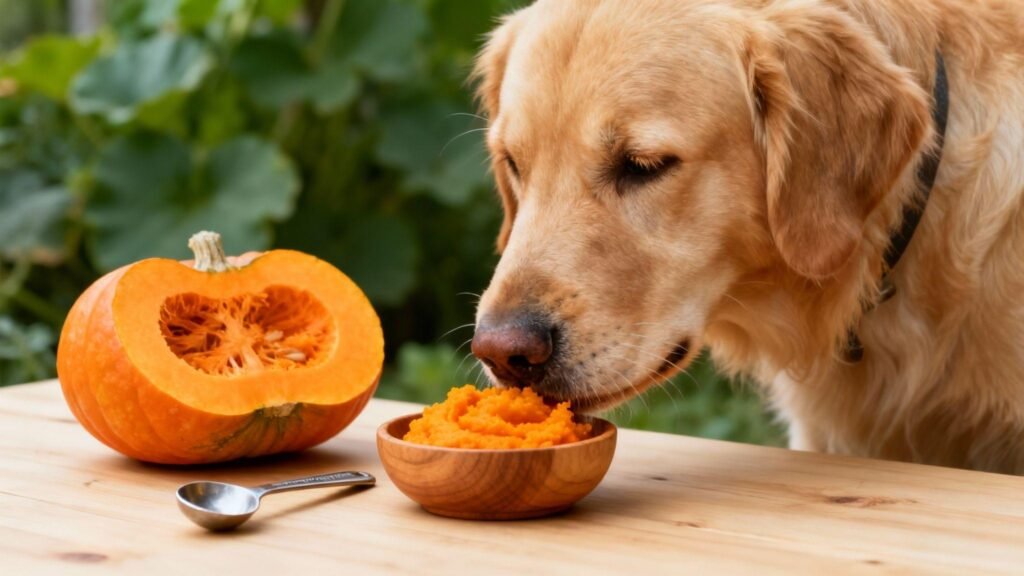
Pumpkin offers several nutritional benefits that can support your dog’s overall health .
Digestive Support
Pumpkin is rich in both soluble and insoluble fiber, which can help with both diarrhea and constipation. Soluble fiber absorbs water and forms a gel-like substance that can soften hard stool, while insoluble fiber adds bulk and helps move things along in the digestive tract . This dual action is why pumpkin can seem to help with opposite digestive problems.
Weight Management
Pumpkin is low in calories and high in water content, making it a filling treat that can help your dog feel full without extra calories. It is often recommended for dogs on weight management plans .
Nutrient Boost
Pumpkin contains important vitamins and minerals, including:
- Vitamin A (in the form of beta-carotene)
- Vitamin C
- Potassium
- Magnesium
- Iron
- B vitamins
These nutrients support immune function, healthy skin and coat, and various biological functions .
Anal Gland Health
The fiber in pumpkin can help produce firmer stools, which naturally helps express your dog’s anal glands .
The Right Way to Serve Pumpkin
Safe Forms of Pumpkin
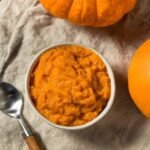
- Plain canned pumpkin (100% pure pumpkin puree): This is the easiest and most convenient option. Just make sure the label says 100% pure pumpkin, not pumpkin pie filling .
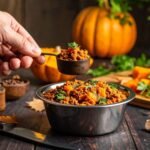
- Cooked fresh pumpkin: You can steam, boil, or roast fresh pumpkin. Peel it, remove the seeds, and cook until soft. Then mash or puree it until smooth .
- Sugar pumpkins (pie pumpkins): These have a smoother texture and sweeter taste that is easier to cook and mash .
How to Prepare It
- Cook it thoroughly. Cooked pumpkin is easier to digest and tastes better for your dog. Raw pumpkin can be tough on their stomach and harder to chew .
- Keep it plain. Never add salt, sugar, butter, oil, or spices. Dogs do best with plain, unseasoned pumpkin .
- Let it cool completely. Always serve pumpkin at room temperature to avoid burning your dog’s mouth .
Serving Size Guidelines
Pumpkin should always be given in moderation. Start with a small amount and see how your dog responds. As a general guide:
| Dog Size | Serving Size per Day |
|---|---|
| Small dogs (under 15 lbs) | 1 to 3 teaspoons |
| Medium dogs (15-30 lbs) | 1 to 2 tablespoons |
| Large dogs (30-60 lbs) | 2 to 4 tablespoons |
| Giant breeds (over 60 lbs) | Up to 1/4 cup |
A common rule of thumb is about 1 tablespoon of pumpkin per 10 pounds of body weight once or twice daily for digestive issues . But always start with the lower end of the range and adjust based on your dog’s response .
If you are using pumpkin regularly as a treat, remember that treats should make up no more than 10% of your dog’s daily caloric intake .
What to Avoid: Dangerous Pumpkin Products

Never Feed Pumpkin Pie Filling
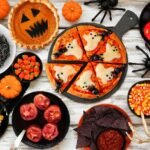
Pumpkin pie filling is not the same as pure pumpkin. It contains added sugars, salt, and spices that are not healthy for dogs. Some of these spices, like nutmeg, can even be toxic in large amounts .
Nutmeg contains a compound called myristicin, which can cause vomiting, disorientation, tremors, and seizures in dogs . Cloves and allspice, also found in pie spice blends, are unnecessary and potentially harmful .
Watch Out for Xylitol
Some sugar-free or reduced-sugar pumpkin products may contain xylitol, an artificial sweetener that is extremely toxic to dogs. It can cause a rapid drop in blood sugar and lead to liver failure . Always check the label carefully.
Avoid the Rind, Stems, and Leaves
The outer skin, stems, and leaves of pumpkins are tough and can be hard to digest. They can pose a choking hazard or risk of intestinal blockage . Stick to the soft, cooked pulp.
Can Dogs Eat Pumpkin Seeds?
Yes, pumpkin seeds are safe for dogs in moderation, but they come with some important caveats .
Preparation is key:
- Remove the tough outer shell: The fibrous hull is difficult to digest and can cause stomach upset .
- Cook them: Roast or boil the seeds to soften them and reduce the risk of spoilage .
- Grind or chop them: This reduces the choking hazard, especially for small breeds .
- Keep them plain: Never add salt, oil, or seasonings .
Health benefits: Pumpkin seeds contain fiber, antioxidants, zinc, iron, and magnesium, which can support digestion, skin, and coat health .
Risks: Too many seeds can cause diarrhea or digestive upset . They are also high in fat, so dogs with pancreatitis or liver disease should avoid them . Start with just one or two seeds and see how your dog reacts .
When to Avoid Pumpkin
Pumpkin is a supportive supplement, not a cure for serious illness. Seek veterinary care immediately if your dog has:
- Bloody stool
- Persistent vomiting
- Severe abdominal pain
- Lethargy or weakness
- Signs of dehydration (dry gums, sunken eyes)
- A fever
- Diarrhea that lasts more than 48 hours
Pumpkin is not recommended for dogs with pancreatitis, uncontrolled diabetes, or known gastrointestinal diseases without veterinary guidance .
Final Thoughts
Pumpkin is a safe, nutritious, and versatile treat for dogs when prepared properly. It can support digestion, help with weight management, and provide a range of vitamins and minerals. The key is to always use plain, cooked pumpkin and serve it in moderation.
Stick to 100% pure canned pumpkin or cook fresh pumpkin yourself. Avoid pumpkin pie filling, watch out for xylitol, and never add seasonings. If your dog shows signs of serious illness, call your vet instead of relying on home remedies. When used correctly, pumpkin is a wonderful way to give your dog a healthy, tasty treat.