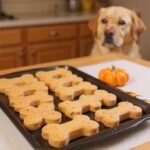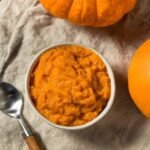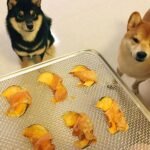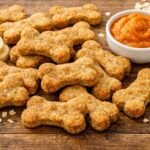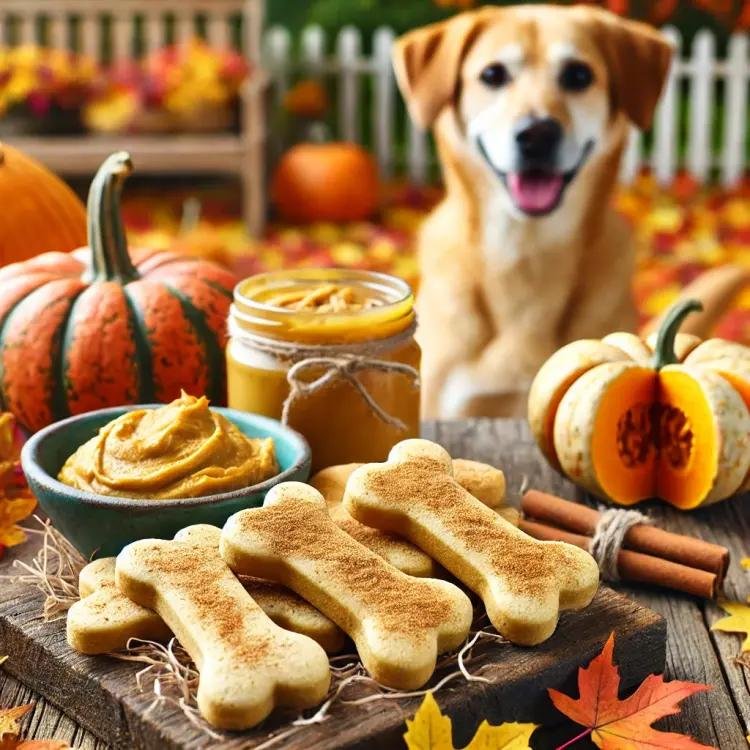
There is something truly special about making homemade treats for your dog. You know exactly what goes into them, and you get to see that pure joy on their face when they realize something delicious is coming their way. Pumpkin and peanut butter are a match made in heaven for dogs—packed with health benefits and an irresistible flavor that will have your pup’s tail wagging before the treats even come out of the oven.
Why Pumpkin and Peanut Butter?
This duo isn’t just delicious; it’s also highly nutritious for your dog.
Pumpkin is a superfood for dogs . It is packed with fiber, which supports healthy digestion, and contains vitamins A, C, and potassium that aid immune health and organ function . The high soluble fiber content in pumpkin also supports healthy weight management .
Peanut butter is equally beneficial—it is an excellent source of protein, healthy fats, and vitamins . Dogs absolutely love it, making these treats perfect for training rewards or just showing your furry friend some extra love.
The Golden Rules of Safety
Before you start baking, there are two critical safety rules to remember:
Rule 1: Use 100% Pure Pumpkin Puree. Never use pumpkin pie filling, which contains added sugar, fats, and spices like nutmeg that can be dangerous for dogs . Always check the label to ensure you are buying 100% pure pumpkin.
Rule 2: Choose Xylitol-Free Peanut Butter. Xylitol is an artificial sweetener that is highly toxic to dogs, even in tiny amounts . Always read the label and choose a natural peanut butter that contains only peanuts (and maybe a little salt). Never use “sugar-free” or “no sugar added” varieties without checking the ingredients first .
Rule 3: Treats in Moderation. These homemade snacks are treats, not meal replacements. They should make up no more than 10% of your dog’s daily caloric intake .
Recipe 1: Classic 3-Ingredient Pumpkin Peanut Butter Biscuits
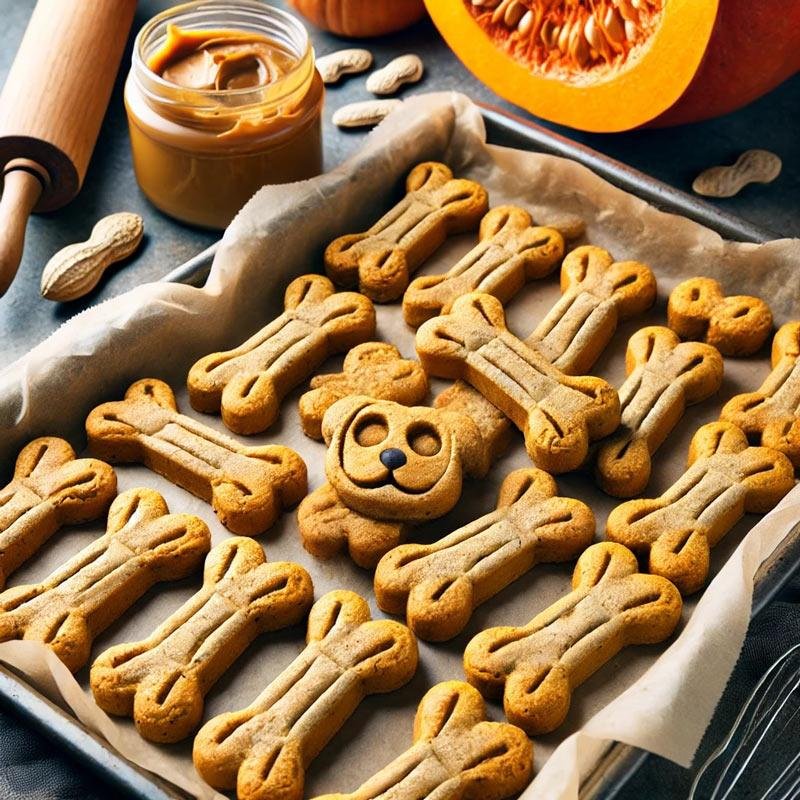
This is the simplest recipe and a fantastic starting point. It uses just three basic ingredients .
Ingredients:
- 2 cups whole wheat flour
- 1 cup canned pumpkin puree
- ½ cup natural peanut butter (xylitol-free)
Instructions:
- Preheat your oven to 375°F (190°C) .
- In a large bowl, mix the pumpkin and peanut butter until smooth.
- Gradually stir in the flour until a stiff dough forms .
- On a lightly floured surface, roll out the dough to about ½ inch thickness.
- Use a cookie cutter to make fun shapes, or simply cut the dough into small squares with a knife.
- Place the cutouts on an ungreased baking sheet and bake for 12 minutes .
- Let them cool completely on a wire rack before serving.
Storage: Store in an airtight container for up to a week at room temperature, up to two weeks in the fridge, or freeze for up to three months .
Recipe 2: Classic Baked Biscuits with Egg
This version includes an egg for extra binding and protein .
Ingredients:
- 1 cup canned pumpkin puree (unsweetened)
- ½ cup natural peanut butter (xylitol-free)
- 2 cups whole wheat flour (or oat flour for gluten-free)
- 1 large egg
- 2–3 tablespoons water (as needed)
Instructions:
- Preheat your oven to 350°F (175°C) and line a baking sheet with parchment paper .
- In a large bowl, combine pumpkin puree, peanut butter, and egg until smooth .
- Gradually stir in flour until a dough forms. Add water 1 tablespoon at a time if needed .
- On a lightly floured surface, roll dough to about ½ inch thickness.
- Use cookie cutters to make fun shapes.
- Bake for 20–25 minutes until golden brown .
- Cool completely before serving.
Serving Sizes: Small dogs (under 20 lbs): ½–1 treat per day; Medium dogs (20–50 lbs): 1–2 treats per day; Large dogs (50+ lbs): 2–3 treats per day .
Recipe 3: Gluten-Free Oat Flour Treats
This recipe is excellent for dogs with wheat or grain sensitivities .
Ingredients:
- 1½ cups gluten-free old-fashioned rolled oats
- ½ cup natural peanut butter (xylitol-free)
- ⅔ cup pumpkin puree
Instructions:
- Preheat your oven to 350°F (175°C) and line a baking sheet with parchment paper .
- In a large bowl, mix the peanut butter and pumpkin until combined.
- Process the oats in a blender until you have a fine flour .
- Add the oat flour and mix until a thick, firm dough forms. If it’s crumbly, add a bit more peanut butter .
- Roll the dough to about ¼ inch thickness and cut into shapes.
- Bake for 15 minutes until lightly browned underneath .
- Cool completely before serving.
Storage: Store in an airtight container in the refrigerator for up to 2 weeks .
Recipe 4: No-Bake Frozen “Boo-Berry” Treats
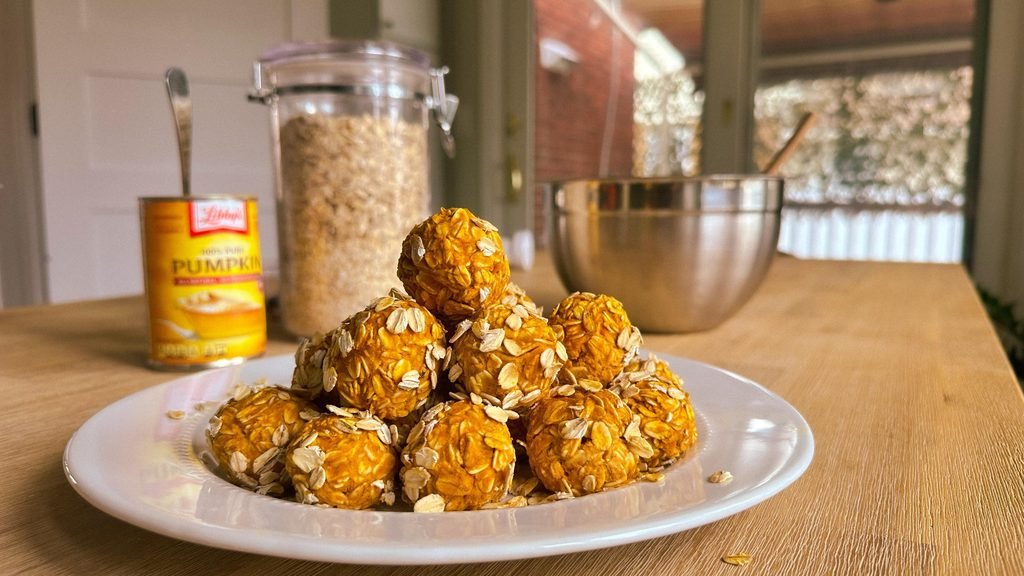
This no-bake recipe is perfect for a warm day or as a teething treat for puppies . It has been reviewed by a veterinarian .
Ingredients:
- ½ cup canned pumpkin puree
- ½ cup peanut butter (xylitol-free)
- 1 cup blueberries
Instructions:
- Mix the pumpkin and peanut butter in a bowl .
- Fold in the blueberries .
- Press the mixture into bone-shaped silicone molds.
- Freeze for at least 3 hours .
- Pop out of the molds and serve .
Storage: Store frozen for up to a month.
Recipe 5: Baked Gluten-Free Bites
This recipe uses oats and pumpkin for a simple, wholesome treat.
Ingredients:
- 2½ cups rolled oats (processed into flour)
- 1 cup pumpkin puree
- 1 egg (or 2-3 tablespoons water for egg-free)
Instructions:
- Preheat oven to 350°F (175°C) and line a baking sheet with parchment paper.
- Process oats in a blender until fine flour forms.
- Mix all ingredients in a bowl until a firm dough forms.
- Roll into small balls or use cookie cutters.
- Bake for 20-25 minutes until golden brown and firm.
- Cool completely before serving.
Storage: Keep in an airtight container in the fridge for up to a week, or freeze for up to 3 months.
Final Thoughts
Making homemade pumpkin and peanut butter treats is a simple, healthy way to show your dog you care. With just a handful of wholesome ingredients, you can skip the preservatives and mystery additives of store-bought snacks. Each recipe here is designed to be easy, even for beginners, and yields delicious results that are guaranteed to get your dog’s tail wagging.
Remember: always use 100% pure pumpkin, xylitol-free peanut butter, and consult your veterinarian before introducing new foods, especially if your dog has health conditions .