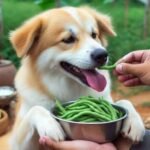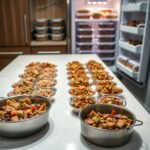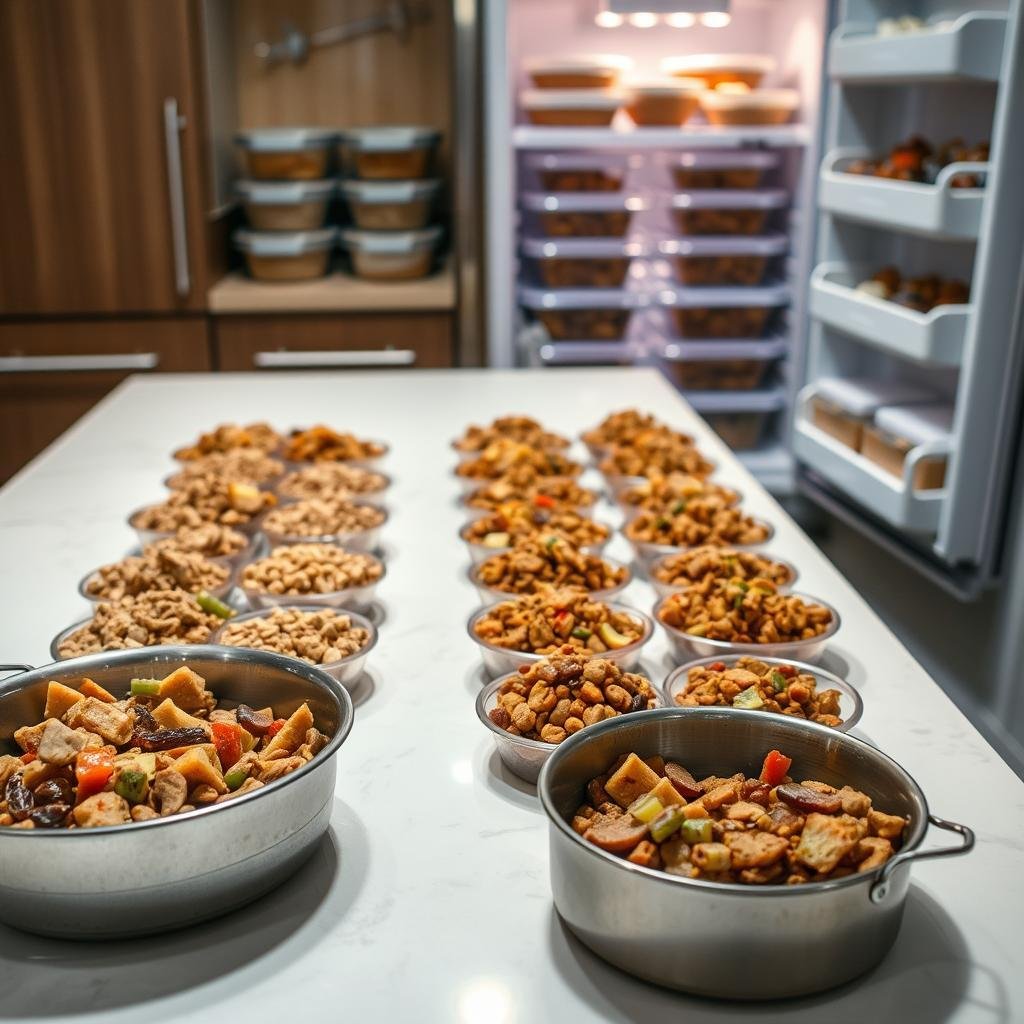
Making food for your dog at home is a wonderful way to show love. You know exactly what goes into their bowl, you can avoid artificial additives, and there is something deeply satisfying about seeing your furry friend enjoy a meal you prepared yourself. However, homemade dog food comes with responsibilities—the biggest one being ensuring it is nutritionally complete.
This guide provides practical, vet-reviewed recipes and explains how to feed your dog safely.
Understanding the Basics of Homemade Dog Food
Before cooking, it is crucial to understand what a healthy dog meal looks like. Dogs are omnivores with specific nutritional needs. A balanced diet should include:
- High-Quality Protein: Essential for muscle maintenance and repair. Good sources are chicken, turkey, lean beef, and eggs.
- Healthy Fats: Provide energy and support a shiny coat and healthy skin.
- Carbohydrates and Fiber: Vegetables and grains provide energy and aid digestion.
- Essential Vitamins and Minerals: Supplementation is often needed to ensure completeness.
Research shows that many homemade recipes are nutritionally deficient. A Dog Aging Project study found that many owner-prepared diets lack key nutrients . Veterinary experts emphasize that randomly picking an internet recipe is risky—professional formulation is important . Using a recipe from a board-certified veterinary nutritionist or an approved formulation tool like Balance.it or PetDiets.com is the safest path .
Balanced Meal Recipes
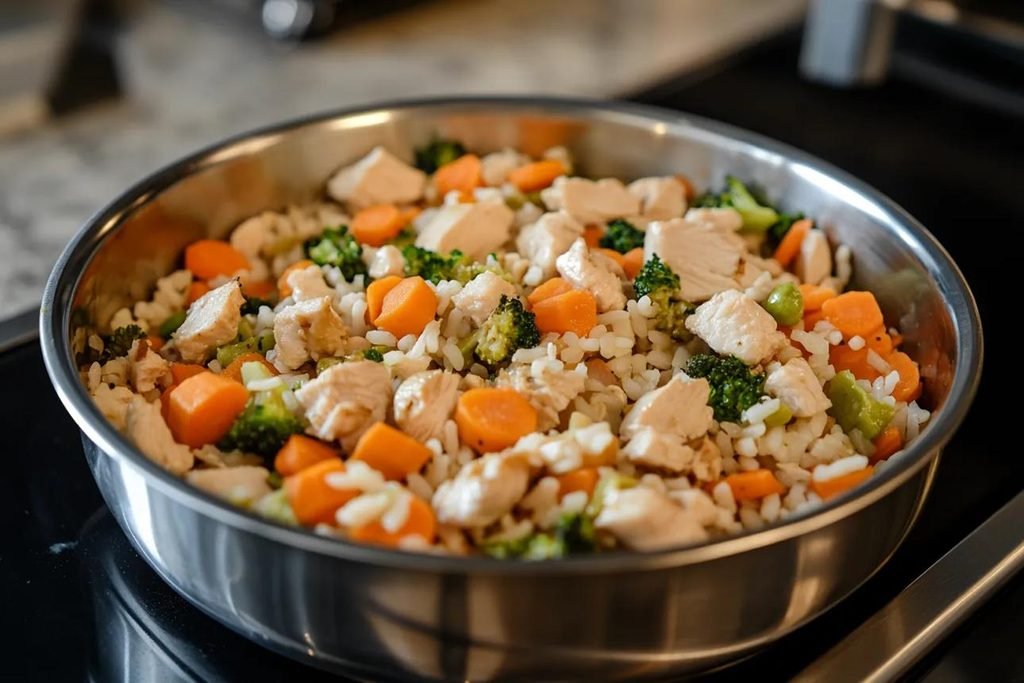
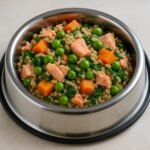
1. Simple Chicken and Veggie Bowl
This recipe uses common ingredients and provides a balanced framework. Always run any recipe by your vet, especially for long-term feeding.
Ingredients :
- 2 cups cooked, shredded lean chicken (no skin, no bones)
- 1 cup cooked sweet potato, diced
- 1 cup cooked peas (fresh or frozen, no added salt)
- ½ cup cooked brown rice or quinoa
- 1 tablespoon olive oil (optional)
- ¼ cup finely chopped carrots (cooked)
- ¼ teaspoon fish oil (for omega-3, optional)
- A pinch of ground eggshell powder or a vet-recommended canine multivitamin
Instructions :
- Cook brown rice according to package instructions. Set aside.
- Peel and cube sweet potato; steam or boil until tender (12-15 minutes).
- Steam or boil carrots until soft. Drain.
- Poach chicken breasts in simmering water for 12-15 minutes. Shred into bite-sized pieces.
- Cook peas (if frozen, thaw and heat).
- Combine all ingredients in a large bowl.
- Add olive oil and fish oil if using; mix thoroughly.
- Add eggshell powder or supplement as directed by your vet.
- Cool completely before serving.
Nutritional Estimate (per 1 cup serving): ~280 kcal, 24g protein, 8g fat, 26g carbs .
Storage: Refrigerate for up to 3-4 days or freeze for up to 3 months in portioned containers.
2. Butternut Squash and Red Lentil Pie
This is a plant-powered, comforting meal that is rich in vitamins and fibre .
Ingredients :
- 4 medium potatoes
- 2 carrots (peeled and chopped)
- ¼ butternut squash (peeled and chopped)
- ⅓ cup red lentils
- 1½ cups water
- 1 dessert spoon nutritional yeast (optional, for B vitamins)
- 2 dessert spoons coconut oil
- 1 teaspoon fresh or dried thyme (dog-safe)
Instructions :
- Preheat oven to 180°C (350°F).
- Boil potatoes until soft, then drain. Mash with 1 dessert spoon of coconut oil. Set aside.
- Melt remaining coconut oil in a saucepan. Add carrots and butternut squash. Cook for 5 minutes.
- Add red lentils, water, and a pinch of salt. Bring to the boil.
- Transfer the lentil and vegetable mixture to a casserole dish. Bake for 30 minutes, stirring halfway.
- Once cooked, stir in thyme and nutritional yeast. Let cool slightly.
- Top with mashed potato and serve warm or chilled.
Storage: Refrigerate for up to 3 days or freeze portions for up to 2 months.
3. Scrambled Eggs with Paneer and Veggies
This recipe works wonderfully as a meal topper or a special breakfast. It was developed by a canine nutritionist and packs a nutritional punch .
Ingredients :
- 2 whole eggs
- 50g unsalted paneer (or additional egg white as a substitute)
- ¼ teaspoon chia seeds (soaked in water for 10 minutes)
- 40g sweet potato or white potato (boiled and mashed)
- 30g spinach (lightly steamed and finely chopped)
- ⅛ teaspoon organic turmeric powder
- ⅛ teaspoon organic black pepper
- 1 teaspoon coconut oil or ghee
Instructions :
- Heat coconut oil or ghee in a non-stick pan over low heat.
- Crack the eggs directly into the pan and stir gently.
- Add soaked chia seeds and cook on low heat for 2-3 minutes.
- Mix in turmeric powder and black pepper.
- Remove from heat just before eggs are fully set to keep them soft.
- Combine eggs with mashed sweet potato, steamed spinach, and paneer. Mix well.
- Cool to room temperature before serving.
Nutritional Estimate: ~350-400 kcal, suitable as one meal for a 10 kg dog .
Treat Recipes for Rewards
4. Simple 3-Ingredient Pumpkin Biscuits
These treats are healthy, low in calories, and full of Vitamin A .
Ingredients :
- 250g oats
- 2 eggs
- 200g pureed pumpkin (100% pure, not pie filling)
Instructions :
- Preheat oven to 180°C.
- Blitz oats in a blender for a finer texture.
- Mix pumpkin and eggs into the oats to form a dough.
- Roll into small balls and place on a baking tray lined with greaseproof paper.
- Bake for 18 minutes or until golden brown.
- Cool completely before giving to your dog.
Storage: Keep in an airtight container for up to two weeks.
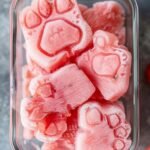
5. Frozen Blueberry and Bone Broth Pupsicles
This is a refreshing summer treat packed with fibre and antioxidants . It includes a beef gullet stick for chewing enrichment.
Ingredients :
- 1 cup all-natural, pet-safe bone broth (no garlic or onions)
- 25-30 fresh blueberries
- 4 medium strawberries
- ½ cup freeze-dried apple chips
- 1 kale leaf
- 6 beef gullet sticks
Instructions :
- Fill popsicle molds halfway with bone broth.
- Drop 4-5 blueberries into each mold.
- Slice strawberries and divide among molds.
- Crush apple chips and add to each mold.
- Cut kale into ribbons and garnish.
- Cover molds with foil, cut a small X, and insert gullet sticks.
- Freeze for 6 hours or overnight.
- To serve, run mold under hot water for 10 seconds to release.
Note: Always supervise your dog while eating a chew stick to prevent choking hazards .
6. Warm Winter “Wooffles”
These grain-free blueberry waffles are a comforting winter breakfast .
Ingredients :
- ½ cup almond flour
- 1 egg
- ¼ cup water
- 1 tablespoon peanut butter (xylitol-free)
- 2 tablespoons blueberries
- 1 tablespoon pumpkin puree
- ½ teaspoon baking powder
Instructions :
- Preheat a mini waffle maker and lightly grease it.
- Whisk the egg, then mix in water, peanut butter, and pumpkin.
- Stir in almond flour and baking powder until smooth.
- Spoon small amounts into the waffle maker and top with blueberries.
- Cook until lightly golden and firm.
- Let cool before serving.
Health and Safety Rules
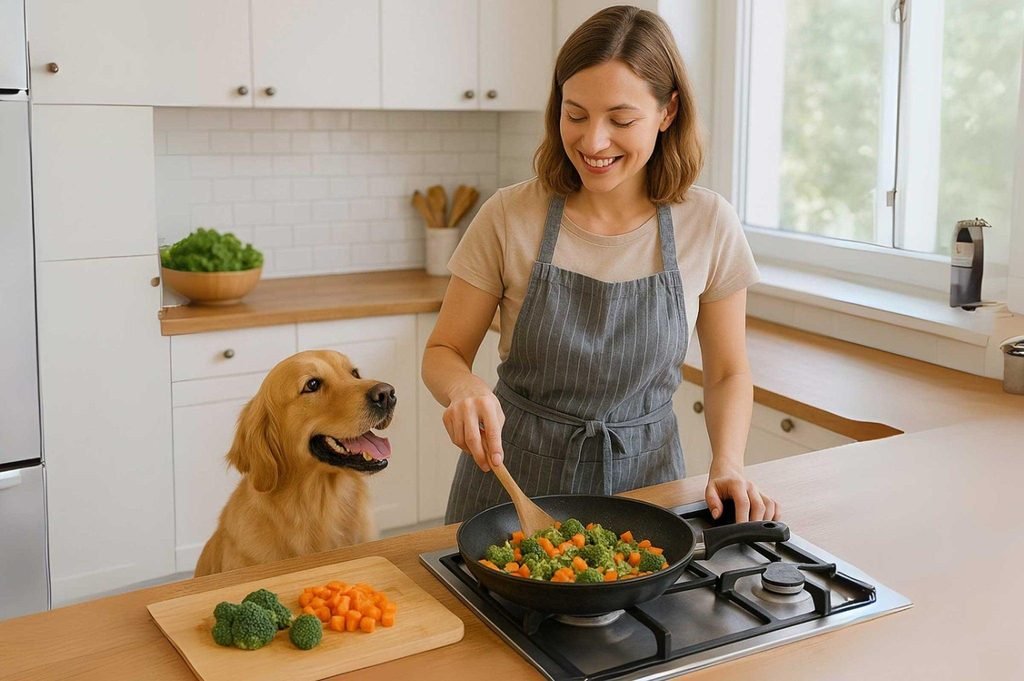
Toxic Ingredients to Avoid
Never use the following in your dog’s food :
- Onions and garlic
- Grapes and raisins
- Chocolate
- Xylitol (an artificial sweetener found in some peanut butters)
- Nutmeg
The 10% Rule for Treats
Treats (including homemade biscuits and frozen snacks) should make up no more than 10% of your dog’s daily caloric intake . Overfeeding treats can cause nutritional imbalances and weight gain.
Use Vet-Approved Tools
The safest approach is to use recipes formulated or approved by a board-certified veterinary nutritionist. Tools like Balance.it and PetDiets.com can help you create complete and balanced meals . The Dog’s Table cookbook is another resource offering science-backed recipes for different life stages . A well-formulated homemade diet can improve your dog’s coat, energy, digestion, and even help with allergies .
Conclusion
Feeding your dog homemade food is a journey that starts with love and responsibility. Always prioritize nutritional balance by using vet-approved recipes, avoid toxic ingredients, and remember that treats are just a small part of a healthy diet. When done correctly, homemade food is one of the best gifts you can give your furry friend.